Things to Consider When Planning an Effective Friendraiser

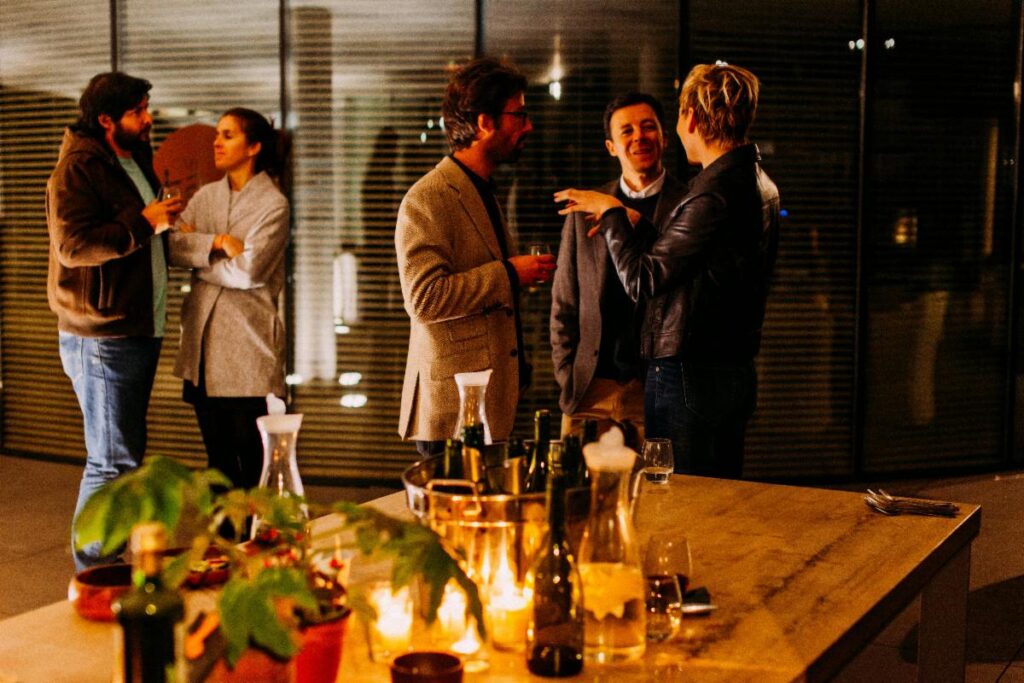
Friendraisers and cultivation events are effective for new and major donor fundraising, especially when they are thoughtfully planned and strategically executed. “Non-ask” cultivation events need human and often financial resources, so be strategic in planning them to give your nonprofit the best opportunity to captivate donors for many years to come.
Here are some tips to make your friendraisers successful:
- Set a Clear Goal. Identify—and align with your hosts—on what a “win” looks like: securing new individual donors (all friends of your host?), cultivating board prospects, getting to know long-time “unknown” donors in person, etc.
- Engage Your Board or Volunteers in the Planning. Just 2–3 people can spearhead an event and “share the load.” Divide up core responsibilities so staff doesn’t have to do it all. Volunteers can manage tasks such as securing the venue, bidding catering, sending evites, managing the guest list, printing nametags, welcoming guests/handling coat check, arranging background music, sending thank-you emails/notes, etc. Plan to provide evite language and talking points so the team feels confident.
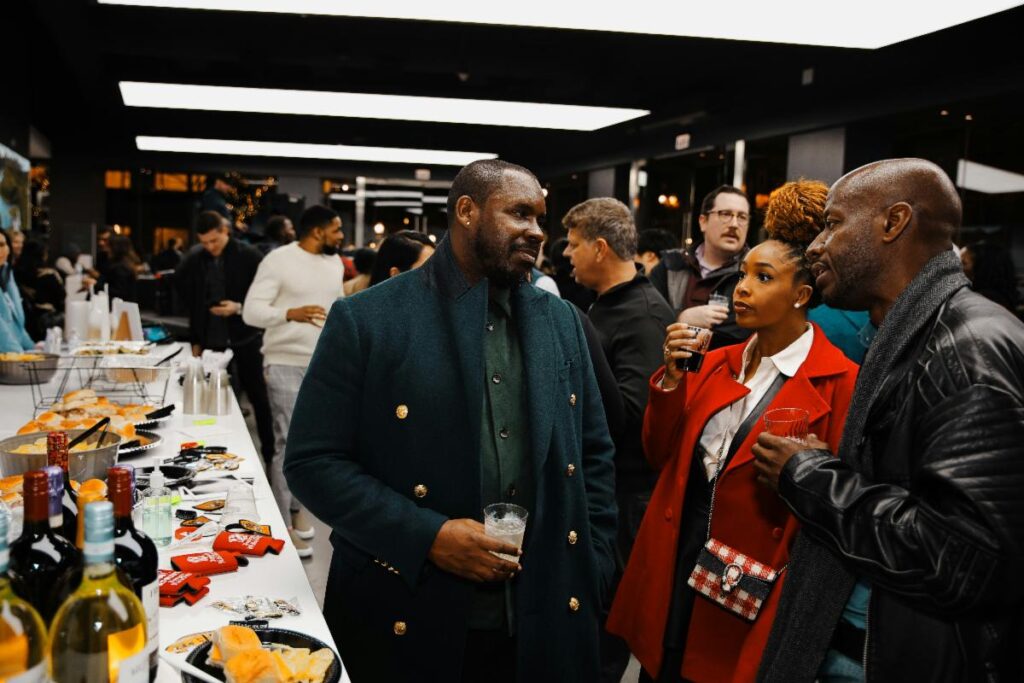
- Leverage Your Board or a Funder to Underwrite the Event. Often a board member can’t “give,” but they can “get.” Someone may be willing to host a wine-and-cheese gathering in their home, provide breakfast at their office, get a restaurant to donate lunch, or get a liquor store or company to donate beverages and bartending. Be creative—it could be a rooftop DJ dance party, a happy-hour beer tasting, a comedy club during off hours, and more.
- Invite the Right People. Target major donor prospects, board member candidates, prospective corporate sponsors, and longtime, multiple-gift donors who have the capacity to increase their giving or make a planned gift. The invite list can come from one host, several hosts, or the organization, depending on venue capacity.
- Make It a Mission Moment. Plan for just 1–2 speakers to welcome guests, thank your hosts/committee/volunteers, and introduce your organization. Keep the “program” under 20 minutes—people will learn more by mingling with your staff, board, and funders. Make an ask and share specific and urgent funding needs. This could be tied to a passion project of the host(s). If possible, it’s always powerful to have a client or program participant speak personally about the impact of your programs.
- Greet and Really Meet. Assign each staff or board member a few guests to meet. Everyone should speak passionately about your work while also getting to know each guest personally—ask about their interests, connections to your mission, current volunteer work, or causes they support. Make this a true cultivation event and welcome each person into your greater community.
- Show and Tell. If video is an option, share a 2–3 minute overview after the welcome or run a looping slideshow that visualizes your work. As guests leave, give them your annual report or a brochure with ways to engage (donation card, QR code/URL, volunteer opportunities, social media links, in-kind needs, etc.).
- Debrief and Follow Up. Have staff and board members share what they learned about guests, what went well, and what could be improved next time. Then develop a 30-day post-event 1:1 cultivation plan for each guest—invite them for coffee, send a corporate deck, follow up on something you discussed, invite them for a site visit, etc. A structured approach helps maintain momentum after a strong friendraiser.
With intentional preparation and personalized cultivation, friendraisers can become a vital part of your nonprofit’s long-term fundraising success.
In summary, to maximize impact, nonprofits should begin by setting clear goals, engaging board members or volunteers in event planning, and creatively securing underwriting or in-kind support to manage costs. A carefully curated guest list ensures the right mix of prospects, while a concise, mission-focused program, authentic conversations, and meaningful materials help deepen engagement. Finally, a structured debrief and tailored follow-up plan are essential for converting event energy into lasting donor relationships.
Growth for Good provides fundraising strategic consulting and events management. Click here to learn more about our past projects.
We hope you use friendraisers—and our advice—to effectively “grow for good”!